
THE HISTORY
A commitment to excellence
1985 was a simpler time. Beer was either "lager A" or "lager B". But noted beer fan Ed McNally was thirsty for a real choice. And rather than complicate matters by tracking down established import brews, Ed took the "easy" way out and started his own brewery. We’re driven by a passion to bring better beer to Canadians every day, everywhere. We’re handcrafted in a high-volume world, and we’re proud of it. We believe today, as our founder Ed McNally believed in 1985, that to raise one glass is to raise an entire industry. The rest is a part of Big Rock Brewery history.
THE NAME
Why big rock?
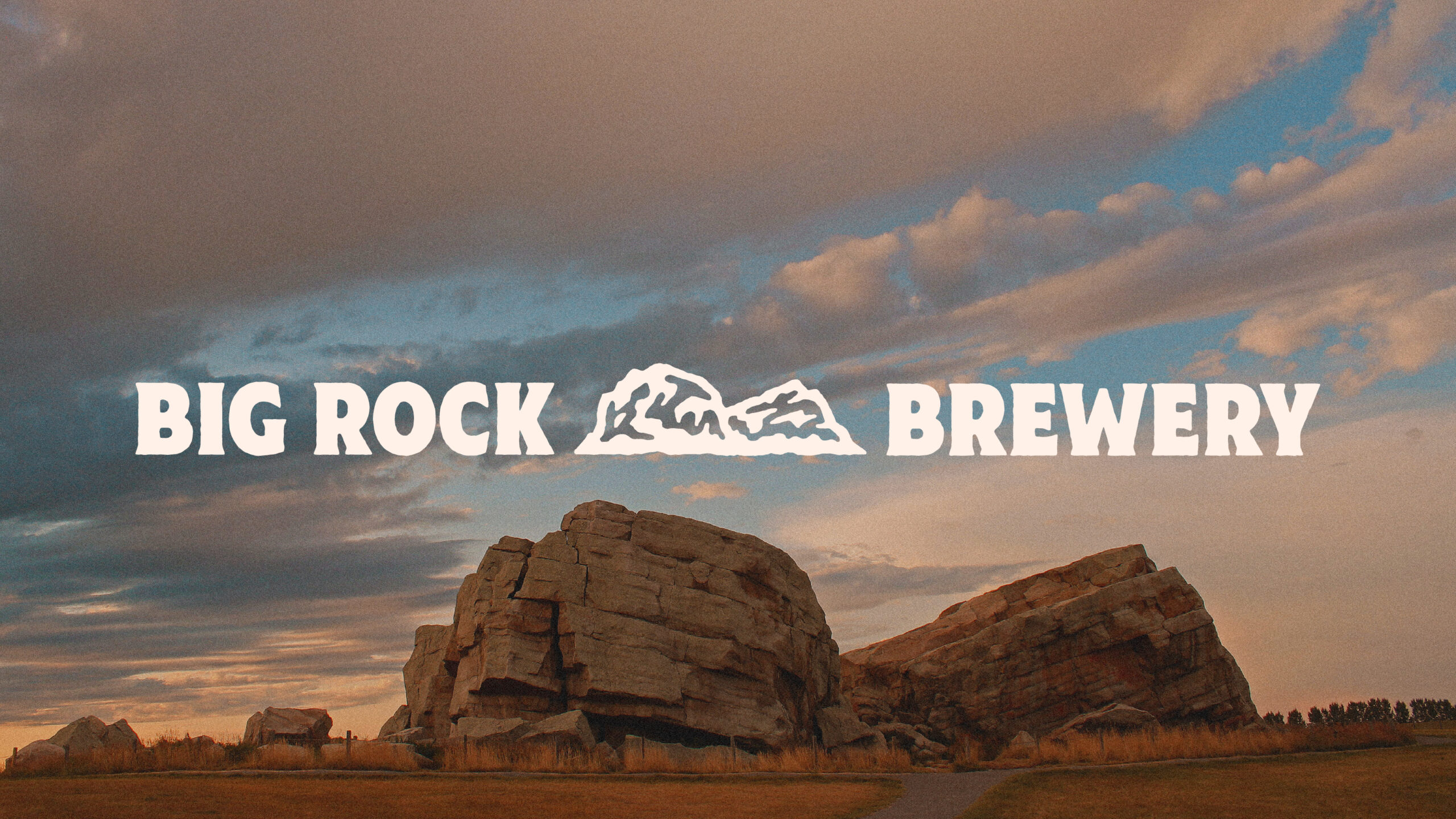
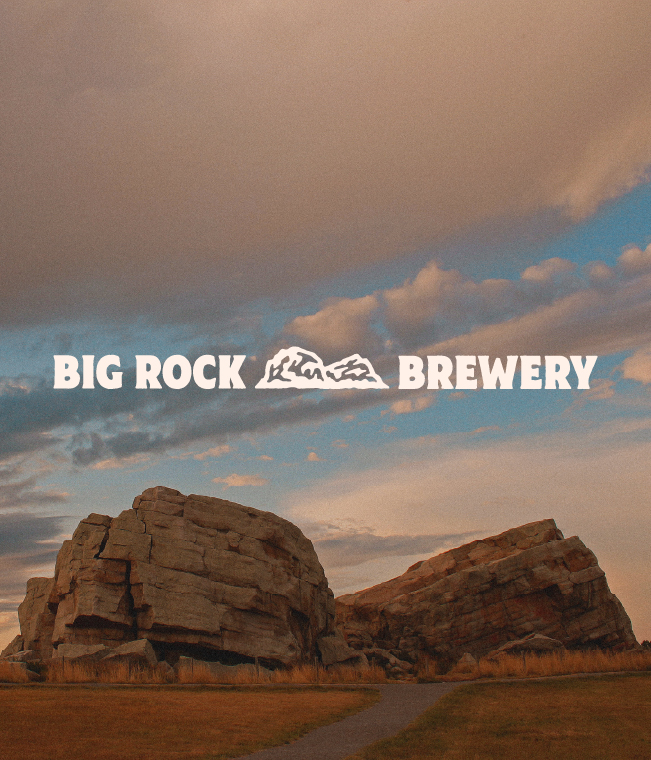
In the middle of the vast Canadian Prairies rests a 16,000-ton boulder. It’s the kind of thing that stands out, inspiring in its seeming impossibility. Taking our name from this longstanding curiosity, Big Rock Brewery was born.
OUR BREWERIES
Across canada
We passionately craft signature and seasonal brews for beer lovers across Canada. We’ve always been at the forefront of the craft beer revolution, finding innovative ways to carry forward established brewing traditions. So here’s to being handcrafted in a high-volume world. To trying something different. Here’s to better beer for Canadians every day, everywhere.